Community
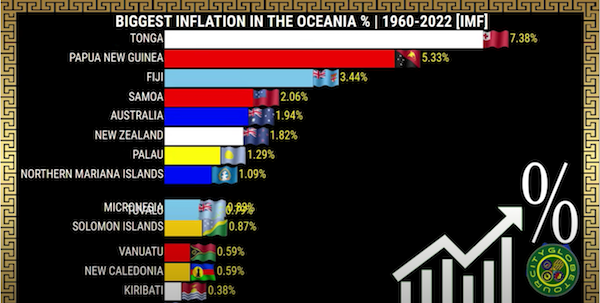
Largest inflation rates by country in oceania
See how the inflation rates changed from 1960-2022
Tax tips
The more detail you can give your accountant the quicker your tax return can be processed and, usually, the better the outcome. The following will help.
Census 2021 Data
Search through the data collected by the Australian Bureau of Statistics, and find interesting facts about how the country is changing.
How diversification fights investor biases
Investing in familiar names may bring a sense of comfort but by focusing too heavily on the Australian market, investors may limit their opportunity set and forgo the benefits of greater diversification.
ATO statistics show 12 per cent jump in SMSF assets
The total value of SMSF assets has climbed to $892 billion during the 12 months to March, according to the latest ATO statistics.
ATO responds to GST case involving SMSF
The ATO has issued a decision impact statement on a recent decision that determined whether an SMSF was liable for GST on the sale of subdivided lots.
Super Contribution Changes starting 1 July 2022
From 1 July 2022, there will be changes made to super to make it easier for Australians to grow their retirement savings.
Using trusts: Keeping it in the family
Trusts are used to hold assets for various reasons, but most typically for tax planning and asset protection purposes. Here's a little more insight into how trusts work.
Talking money with a partner
Here are some factors to consider before you join finances with a partner.